Blokz Journal / SEC / Crypto Regulation
Fairshake Backs 32 House Members as Crypto Regulation Stalls
AbstractFairshake will back 32 House candidates who voted for the CLARITY bill in 2025, as crypto regulation and market structure legislation is stalled in the Senate.
KeywordsCrypto Regulation; Fairshake; CLARITY Act; US Midterms
Filing data
| Form | Company | Items | Accession | CIK |
|---|---|---|---|---|
| 8-K | Zcash ETF (ZCSH) | — | 0001193125-26-414257 | 1720265 |
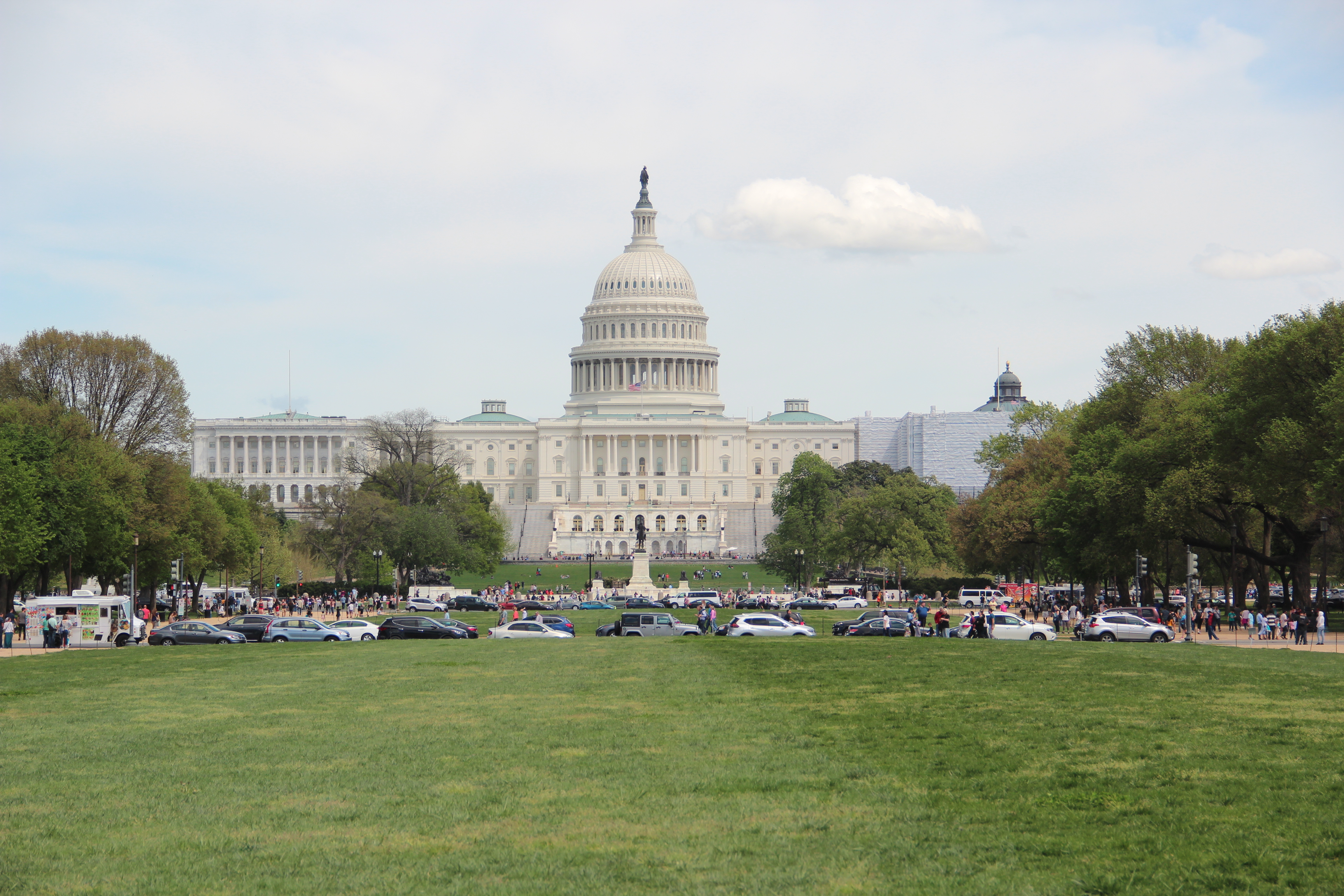
Washington’s long argument over crypto regulation has moved from committee rooms to the campaign trail. According to Cointelegraph, the crypto-focused political action committee Fairshake said on Monday that it will financially back 32 House candidates in the US midterm elections. All of them voted in favor of the CLARITY market structure bill in 2025. The bill, meanwhile, remains in limbo in the Senate.
Key takeaways
- Fairshake says it will financially support 32 House candidates, each of whom voted for the CLARITY market structure bill in 2025.
- The legislation has not cleared the Senate, so the endorsements reward a past House vote rather than a finished law.
- Separately, the SEC and other regulators issued a joint World Investor Week bulletin on fraud awareness, a reminder that enforcement and investor education continue while Congress deliberates.
- Routine disclosure continues too: an 8-K from Zcash ETF (ZCSH) turned up in a search of EDGAR filings mentioning “digital asset” on October 5.
What Fairshake announced, and what it signals
The announcement is simple on its face. A political committee tied to the digital-asset industry has picked a slate of House candidates and said it will back them with money. The selection criterion is what makes it notable. Every one of the 32 voted for the CLARITY bill in 2025, so the endorsement list works as a scorecard of a single legislative decision.
That is a deliberate way to define loyalty. A vote on a market structure bill is a concrete, recorded act, and it is easier to reward than a general statement of support for innovation. For candidates, the message is that a clear record on this legislation can bring tangible political support. For the industry, the list is a way to show that it will treat a specific vote as the dividing line.
The source summary does not say how much money will be spent or in which races. Those details matter for judging the scale of the effort, and readers should treat the 32-candidate figure as a headline count rather than a measure of financial weight.
Why the Senate gap matters
The more consequential part of the story is what has not happened. The House vote was in 2025, and the bill is still stuck in the Senate. The endorsements therefore look backward at a vote already taken while the outcome the industry wants remains unresolved.
This gap is central to how digital asset rules are being shaped. A market structure bill would be meant to set out how digital assets are classified and overseen, which has been a long-running source of friction between the industry and US regulators. Without legislation, the boundaries are still set by agency interpretation, enforcement choices and court decisions. A bill passed by one chamber does not change that on its own.
It also means the House endorsements may have limited power over the point where the bill is actually stalled. The 32 candidates are House members or aspirants. The immediate bottleneck, according to the report, is in the other chamber. Political money can influence the climate around a bill, but it cannot by itself produce the votes or the floor time that Senate action requires. Whether the midterm calendar helps or hurts the bill’s prospects is a fair question, and the available reporting does not answer it.
Regulators keep working in the meantime
While lawmakers argue, the agencies continue their day-to-day work. On the same day, the Securities and Exchange Commission, in coordination with other US and global financial regulators, issued a joint investor bulletin as part of World Investor Week. The summary says the bulletin encourages investors to be resilient in changing conditions, and the press release is framed around fraud awareness. The full text is not reproduced in the material available here, so it is not clear how much of it addresses digital assets specifically.
Still, the timing is instructive. Investor protection messaging, especially on fraud, is a standing part of the regulatory toolkit regardless of what Congress does. For anyone following SEC crypto policy, the practical point is that the agency’s role as a source of warnings and guidance does not pause for legislative debate. Retail participants are the audience for this kind of bulletin, and they are the same group whose protection is often cited in arguments for clearer statutory rules.
Company disclosures continue as well. An EDGAR full-text search for “digital asset” in 8-K filings surfaced a Form 8-K filed on October 5, 2026 by Zcash ETF (ZCSH). The index entry says only that the filing matches the search term, and it offers no detail on what the company reported. It should not be read as signaling any particular event. It is useful mainly as an illustration that a crypto 8-K can appear in the public record on any given day, giving investors a primary-source channel that does not depend on legislative progress.
What to watch next
Three things are worth tracking. First, whether Fairshake’s announcement is followed by details on spending and specific races, which would show how the committee weighs the endorsements against the rest of the midterm map. Second, whether the Senate schedules any movement on the market structure bill, since the endorsements gain meaning only if the legislation eventually advances. Third, how agencies behave in the interim, including the content of investor bulletins and the disclosures companies file with the SEC.
The broader lesson is about sequencing. The industry has chosen to invest political capital in rewarding a past vote while the decisive step lies ahead. If the bill stays stalled, crypto regulation will continue to be defined by regulators and courts rather than by a comprehensive statute, and the 32 endorsements will be remembered as a statement of intent rather than a turning point. If the Senate does act, the House record that Fairshake is now rewarding will become a much more visible part of the story.
For now, the facts are narrow: a PAC, 32 candidates, one vote in 2025 and a bill still waiting in the Senate. Everything beyond that is yet to be determined.
References
- Crypto PAC announces support for 32 House candidates in US midterms, cointelegraph.com.
- SEC Coordinates with Global Financial Regulators to Raise Fraud Awareness During World Investor Week, sec.gov.
- 8-K — Zcash ETF (ZCSH) (CIK 0001720265), sec.gov.0001193125-26-414257
Prepared with AI assistance from the documents in the references and reviewed under our editorial policy. Not investment advice.